“Yep that’s a instant 5 star read…”
Nothing super extreme but good god was this one twisty and good!!! That last chat with Liza — didn’t see that one coming. This one is a def grab immediately!
★★★★★.A.Never Go Postal · AmazonVerified
A clerk who never missed a day in forty years. A man who served twenty-eight for something he cannot remember. A scientist who files her own grief like lab data. Three novels about the exact moment the arithmetic fails.
4.1 average across 193 ratings on Amazon & Goodreads. The first two novels are free on Kindle Unlimited.
 Read now →
 Read now →
Every quote below is a real, published review left by a reader on Amazon or Goodreads. Nothing here was written by the publisher.
This intense novel delves deeply into the human psyche, demonstrating that no matter how close we can be to someone, we never really know what is going on in another’s head.
★★★★★Nancy Carty LepriNever Go Postal · Amazon & GoodreadsVerified purchase
It’s dark without being sensational, and the tension comes more from what you don’t know than from explicit action. By the end, I felt like I’d read something more thoughtful than the average thriller.
★★★★★Mariana S.Thirteen Marks · AmazonVerified purchase
Nothing super extreme but good god was this one twisty and good!!! That last chat with Liza — didn’t see that one coming. This one is a def grab immediately!
He shows an effortless command of how to tell a story that feels both captivating and thought-provoking. After just a few pages, I found myself reaching for a pencil to underline passages I knew I’d want to return to. I can’t wait to see what this author writes next.
It has been a long time since I read a book I couldn’t put down. It was in turns infuriating, sad, funny, and surprising.
This book feels like a great roller-coaster ride. Gripping, exciting and full of twists and turns. It keeps you engaged at all times, and it sometimes toys with your emotions. Entertaining and masterful.
I enjoyed the well communicated emotion and thought process, the healing and understanding that developed. A great story on a variety of levels.
Psychologically gripping, emotionally challenging, Thirteen Marks keeps you at the edge of your seat.
I enjoyed this book’s unpredictable twists. The way the characters felt so real and their emotions rang true. Then, a totally unexpected twist that makes you realize that all you thought you’d had a good grasp on understanding was gone in the blink of an eye!
The book captivates you from beginning to end! I found it incredibly witty! The ending left me wanting more… I recommend it!
Rules are rules especially when you live by them all of your life. Forty years in the post office and never late or missing a day can make you go postal. There’s a lot more to her life than meets the eye.
Odd story, but had to keep reading — couldn’t stop. Made me really think about life, and how it played out.
Loved the book. Entertainment that makes us think…
An excellent story of mothers and daughters. Emily became enmeshed in her mother’s past and her own. There were some tense moments for all the characters.
The first two novels are on Amazon today — $2.99 each on Kindle, free if you have Kindle Unlimited, $9.99 in paperback.
Kindle · Paperback · Kindle Unlimited — 4.1★ over 193 ratings
The Glass Inheritance opens free on Amazon for a few days. The list gets that link first, the day it opens. One email. Nothing else.
Free · one email · unsubscribe in one click
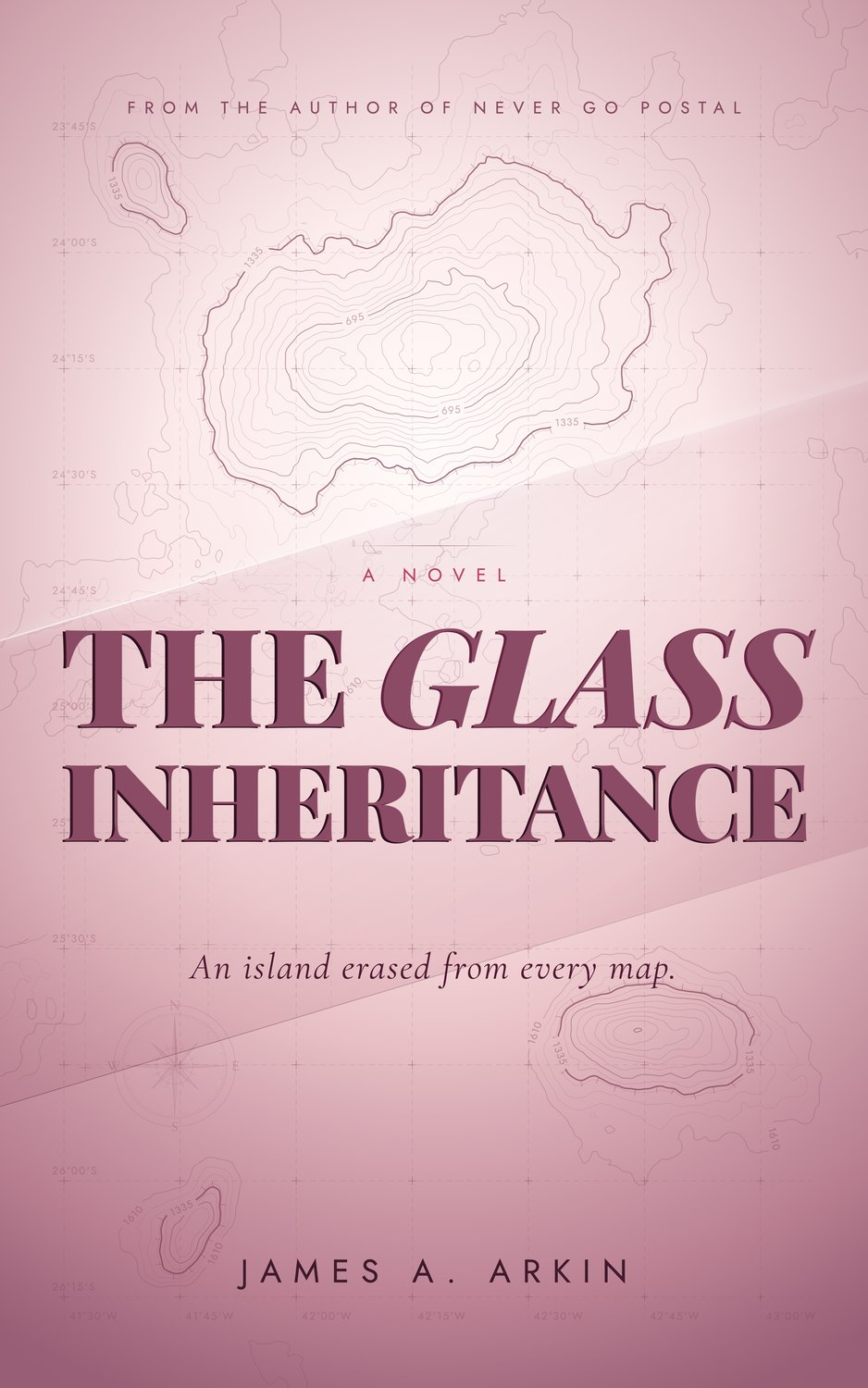
Her mother spent thirty-five years proving a theory. Ava is about to learn she was the experiment.
Dr. Ava Braga catalogs everything. Her divorce. Her insomnia. The pressure of a bar against her spine — discomfort, lumbar region, non-urgent. It is how she survives being the daughter nobody came back for.
Then a man in a suit walks into her lab and says a name she has spent her life not saying. Carmen Braga — the icon who wrote seven books arguing that motherhood is a construction, and left her two-year-old daughter to prove it — died three weeks ago. Helicopter accident. She left Ava everything.
The money is simple. The research is not. It arrives with sealed contracts, seventeen countries, and people who would prefer that Ava never open the first box.
She was never the child who was left behind. She was the control group.
When The Glass Inheritance launches in December, the ebook goes free on Amazon for a short window. The list gets that link first, the day it opens.
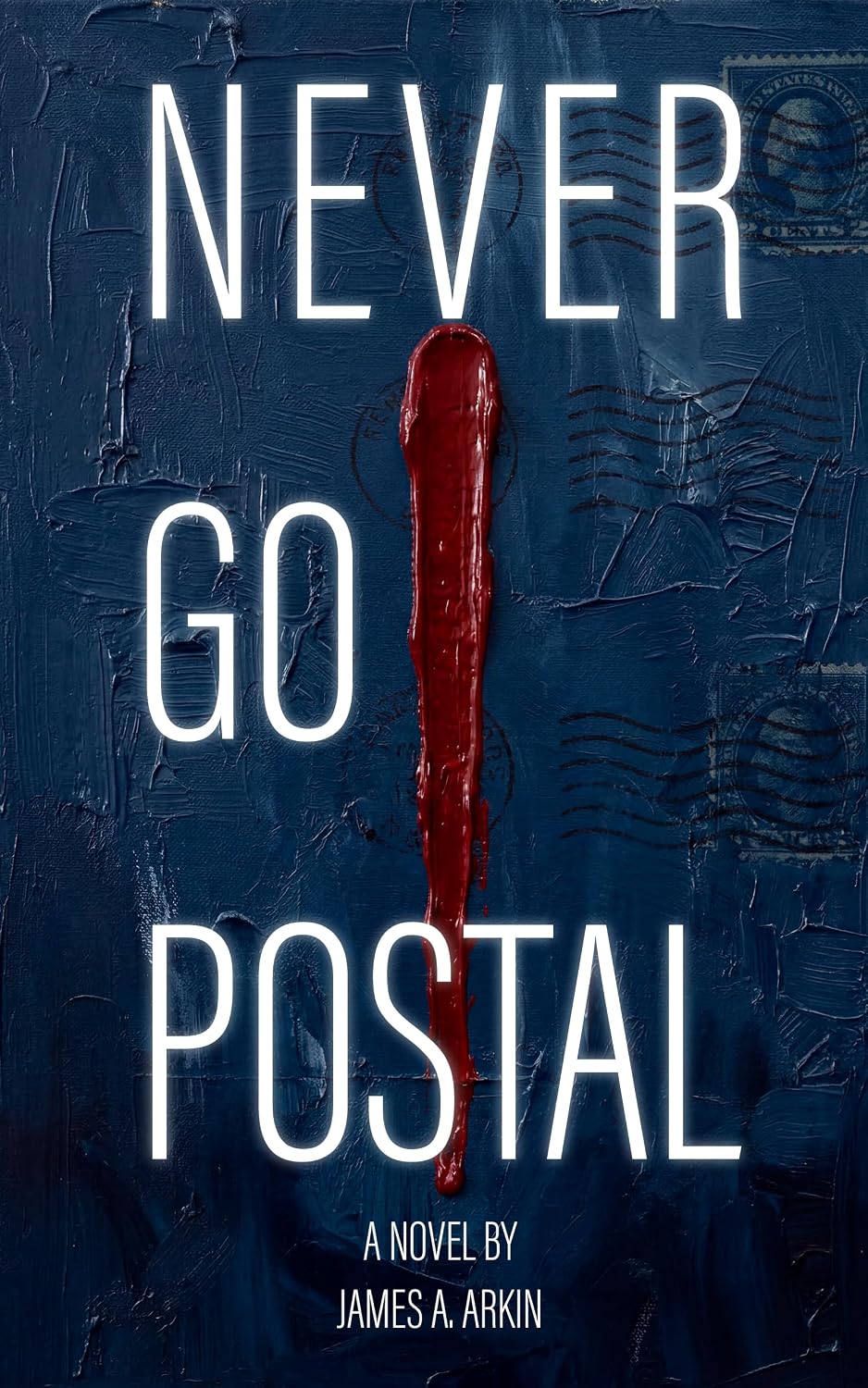
Forty years without missing a single day. On the day she was shot, she wasn't afraid.
At 2:47 on a Tuesday afternoon, Debora Whitfield watches a man pull a gun inside the post office where she has worked for forty years. The first two shots miss. The third finds her arm.
What disturbs her in the weeks that follow — what she cannot explain to her daughter, to her doctor, to anyone — is not the pain. It is what she felt in the three seconds before it started.
Career suddenly over, she ends up in a house with a daughter she barely knows and a box of undelivered letters the post office never bothered to send. She decides to deliver them herself. In the bag with the letters, there is also a loaded gun.
She hasn't decided what to do with it yet.
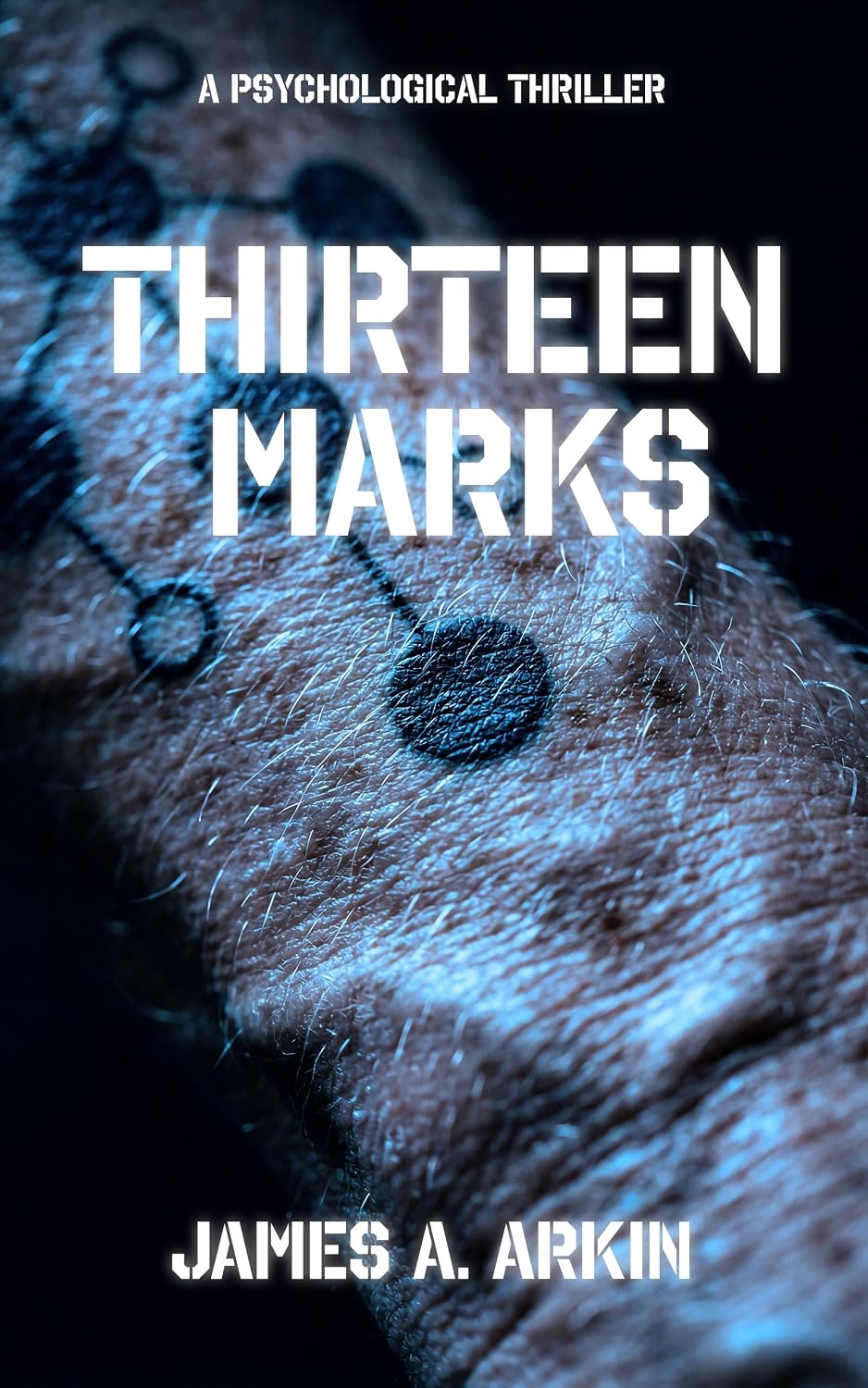
Some prisons are made of bars. Others are made of missing memories.
Convicted as "The Monster," Horace Vance survived twenty-eight years inside by erasing himself — until his mind was nothing but a white veil. No memories. No past. No guilt.
A renowned scientist confesses on his deathbed. The verdict is overturned. Horace walks free.
Freedom doesn't hand him a life back. It hands him a daughter who spent twenty-eight years believing in a father she barely remembers — and a faded tattoo winding up his arm that he cannot explain. A pattern of dots and lines that makes strangers look away.
The deeper he digs, the more he wonders whether some things are better left forgotten.

You’re in Instagram’s browser. For the Kindle app, tap ⋯ → Open in browser.